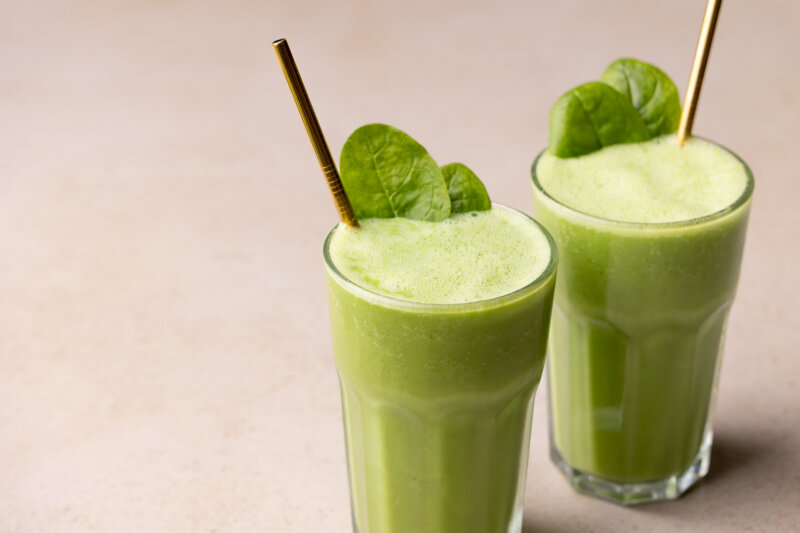
Why pea protein performs better in smoothies
Adding protein to a smoothie sounds simple. But in practice, it isn't that simple, especially in frozen. Not all proteins behave the same during processing, freezing, and blending. Texture, stability, taste, and consistency are all affected by the type of protein used. Over time, these differences have become more important as smoothies evolved from treats into functional meals. For many years, whey protein was the obvious choice. It offered high protein density, neutral taste, and strong customer acceptance. But as demand shifted, its limitations became increasingly visible.
Limitations of whey protein in frozen smoothies
Whey protein is dairy-based and contains lactose, which immediatly limits its inclusivity. Even trace amounts can be an issue for consumers who actively avoid dairy.
From a processing perspective, whey pellets are also challenging in frozen formats. During coating and freezing, they can soften or partially melt, leading to uneven distribution. During blending, this can result in clumping, inconsistent texture, or a grainy mouthfeel - especially across different blender types and locations.
There's also the commercial side. Dairy markets are volatile, and pricing is heavily influenced by factors outside the control of food manufacturers. That volatility introduces uncertainty into long-term product planning.
As smoothies became more central to breakfast, wellness, and functional eating. These limitations started to matter more.
Why pea protein fits frozen smoothies better
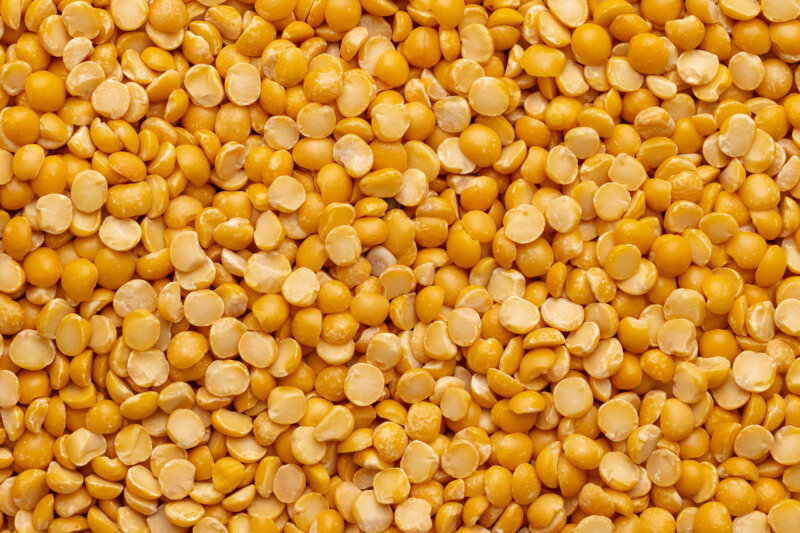
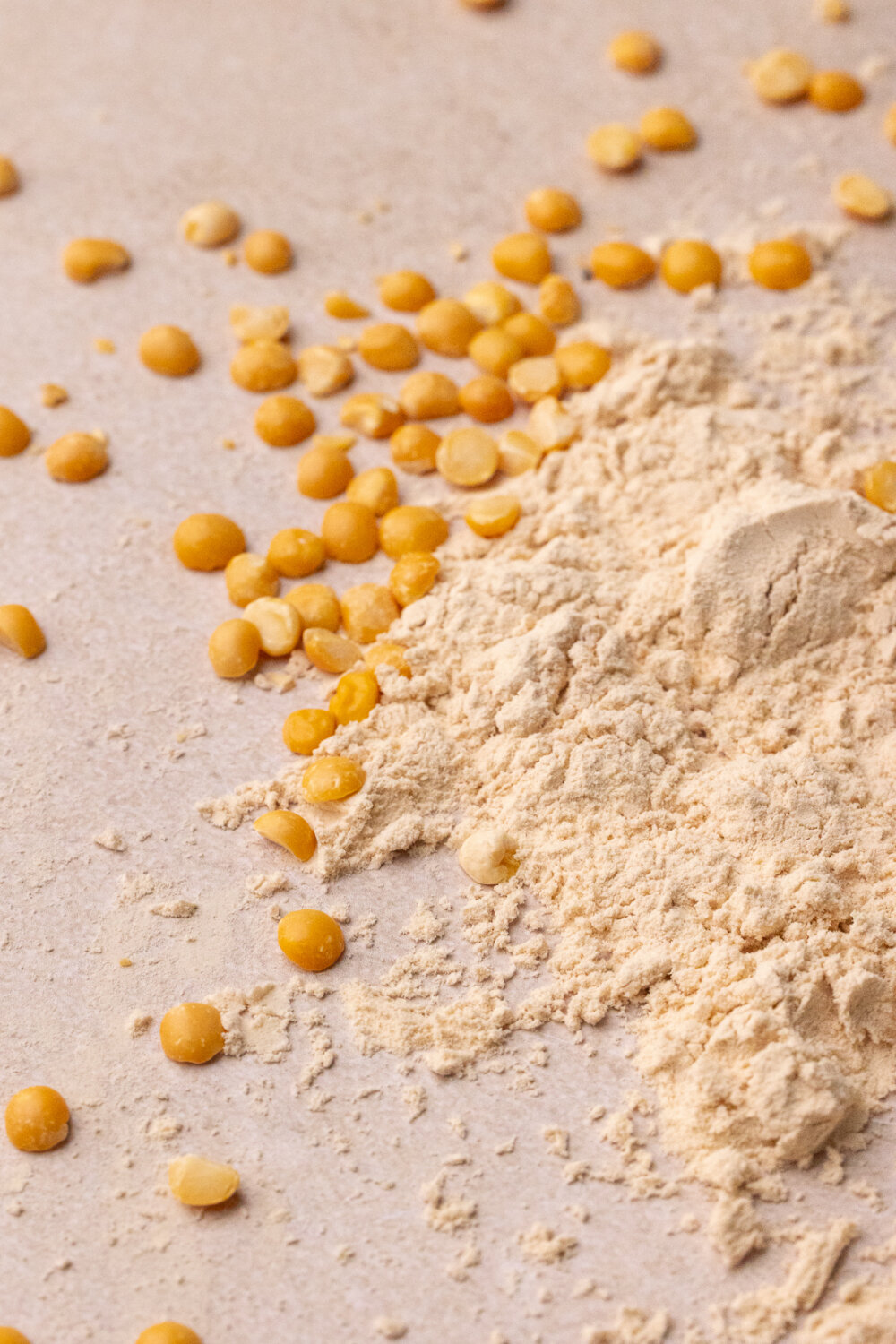
Pea protein offers a fundamentally different performance profile. First, it delivers a high protein density of around 80-90% This allows producers to reach meaningful protein levels without overloading the recipe. Less ingredient volume means cleaner labels, better flavour balance, and more consistent nutrition.
Second, pea protein naturally fits modern dietary expectations. It's vegan, lactose-free, and allergen-friendly, which makes products accessible to a wider audience without reformulation. For B2B customers, this removes friction, and simplifies communication.
Third, and most importantly for frozen applications, pea protein is highly stable. It remains intact during coating, freezing, and blending. When properly processed, it disperses evenly and delivers a smooth, creamy texture every time. That consistency matters enormously in foodservice and retail environments where results need to be repeatable. From a sensory point of view, modern pea protein has come a long way. When combined with fruit, it contributes to a richer, shake-like mouthfeel without overpowering flavour or leaving earthy notes.
Sustainability
Beyond performance, pea protein also aligns better with long-term sustainability goals. Peas are an efficient crop. They require relatively little water, thrive without intensive inputs, and work well in crop rotation systems that improve soil health. Their environmental footprint is lower than that of dairy protein, which depends on resource-intensive cattle farming and multi-step processing.
Conclusion
After evaluating whey, faba bean, and pea protein across the full process - from production to blending - pea protein consistenly proved to be the strongest all-round performer for frozen smoothies. Making the switch from whey to pea wasn't about following a trend. It was about choosing the ingredient that works best for modern products, modern operations, and modern expectations.



Rising ingredient costs, labour shortages, unpredictable consumer patterns, and persistent inflation are forcing every kitchen and purchasing department to rethink how value is created. One category quietly emerging as an economic booster is frozen fruit.

At Crop’s, we continuously refine our fruit mixes to help our partners serve the most flavourful, visually appealing, and high-quality smoothies possible. Innovation is in our DNA, ensuring every product not only meet expectations, but exceeds them.